



Fire Prevention:

Smoke alarms save lives by detecting fires early and providing crucial time for evacuation.

Home fire escapes are vital because they save lives by providing a clear path to quickly exit a burning building, reducing panic, and ensuring compliance with safety regulations.

Carbon monoxide is dangerous because it's an odorless, toxic gas produced by common sources like fuel-burning appliances, and it can lead to illness or death when inhaled. Detection and prevention are crucial for safety.

If you are on fire, remember to "Stop, Drop, and Roll." This means stop moving, drop to the ground, and roll to smother the flames and extinguish the fire.

Keep matches and lighters away from kids, store in a dry place, use in well-ventilated areas, point away when lighting, dispose safely, and teach fire safety to children.

Wildfire safety - Prepare, stay informed, and act on orders.

Youth fire - setter tips -Recognize signs, teach safety, supervise, seek help, make the home safe, use community resources.

Cooking safety - Stay alert, keep clean, use timers, handle grease safely, childproof, have a fire extinguisher, no distractions, check appliances, know escape routes.
FAQS
What are the most common causes of residential fires, and how can I minimize these risks?
Cooking-related incidents, heating equipment, electrical malfunctions, smoking materials, and candles are among the leading causes of residential fires. To minimize these risks, practice kitchen safety, maintain heating appliances, avoid overloading electrical outlets, use smoking materials responsibly, and never leave candles unattended.
How often should I test my smoke alarms, and what should I do if they are not functioning properly?
Smoke alarms should be tested monthly by pressing the test button. Batteries should be replaced at least once a year, and the entire alarm should be replaced every ten years. If your smoke alarm isn't functioning properly, replace the batteries immediately. If the alarm still doesn't work, replace it with a new one and ensure it's properly installed following the manufacturer's instructions.
How can I properly maintain fire extinguishers at home, and when should I replace them?
Fire extinguishers should be inspected monthly to ensure they are in good condition. Check the pressure gauge to ensure it's in the green zone, examine for visible damage or corrosion, and confirm the pull pin is intact. Follow the manufacturer's instructions for maintenance. Additionally, replace fire extinguishers if they show signs of damage, corrosion, or after they've been used, even partially.
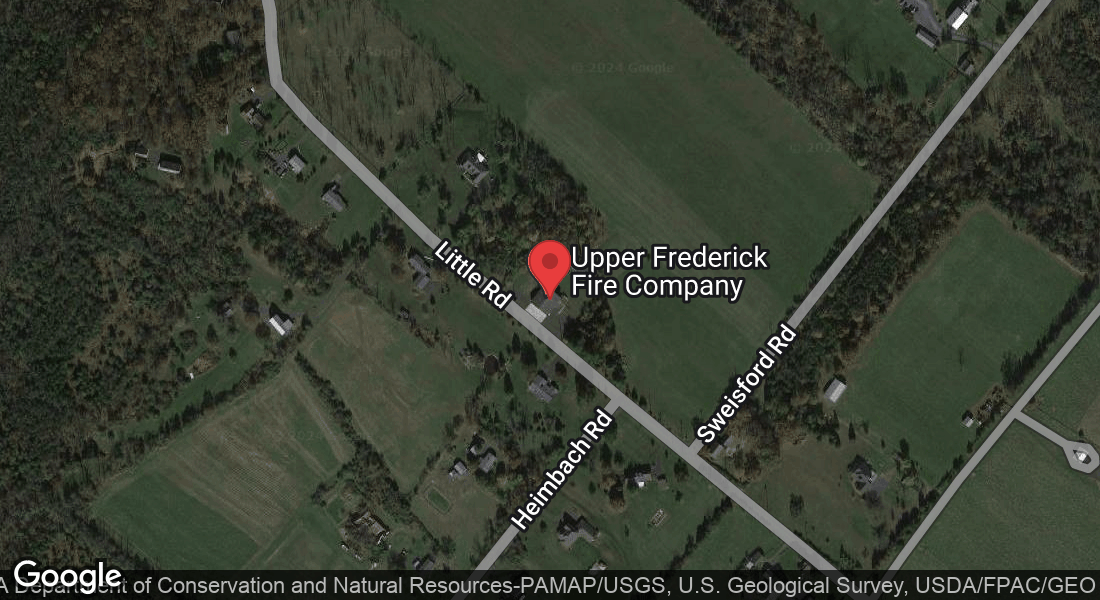
Upper Frederick Fire Company